
As someone who’s battled adult acne for years, I know firsthand how frustrating and persistent this condition can be. Many men are surprised to find that acne doesn’t magically disappear after adolescence.
In fact, a significant number of us continue to struggle with breakouts well into our 20s, 30s, and beyond.
While essential for skin health, too much sebum can wreak havoc on our complexions. In this comprehensive guide, we’ll take a close look at the intricate relationship between sebum and adult male acne, and I’ll share advanced techniques I’ve discovered for managing this complex skin condition.
Understanding Sebum and Its Role in Acne
Sebum production is typically higher in males because of the influence of androgens, particularly testosterone. This increased oil output creates an environment ripe for acne development.
When excess sebum combines with dead skin cells and bacteria, it can clog pores, leading to the formation of comedones, pustules, and in severe cases, cystic acne.
The composition of sebum itself plays a crucial role in acne formation. Sebum is made up of various lipids, including:
Triglycerides
Wax esters
Squalene
Research has shown that the oxidation of squalene, in particular, can contribute to inflammation and acne development. This process creates a cascade effect, leading to more severe and persistent breakouts.
Advanced Techniques for Managing Sebum Production
- Topical Retinoids: The Gold Standard
Retinoids, derived from vitamin A, are considered the gold standard in topical acne treatment. They work by regulating cell turnover and sebum production.
However, using retinoids needs patience and careful application.
Pro Tip: Start with a low concentration retinoid and gradually increase usage to minimize irritation. Apply at night, as retinoids can increase sun sensitivity.
Retinoids come in various forms, including:
Tretinoin (prescription-strength)
Adapalene (available over-the-counter)
Tazarotene (prescription-strength)
Each type has its own strengths and potential side effects. Consulting with a dermatologist can help you decide which retinoid is best suited for your skin type and acne severity.
- Chemical Exfoliation: Beyond the Surface
While physical exfoliation can sometimes exacerbate acne, chemical exfoliants like salicylic acid and glycolic acid can effectively unclog pores and regulate sebum production. These ingredients work by dissolving the bonds between dead skin cells, allowing for easier removal.
Key Insight: Combine salicylic acid (a beta-hydroxy acid) with niacinamide for a powerful sebum-regulating duo.
Exfoliants can be found in various formulations:
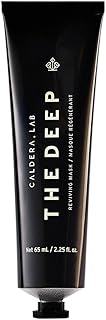
Caldera Labs- gentle exfoliant The Deep
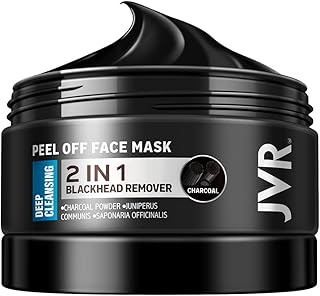
JVR-blackhead remover and exfoliant
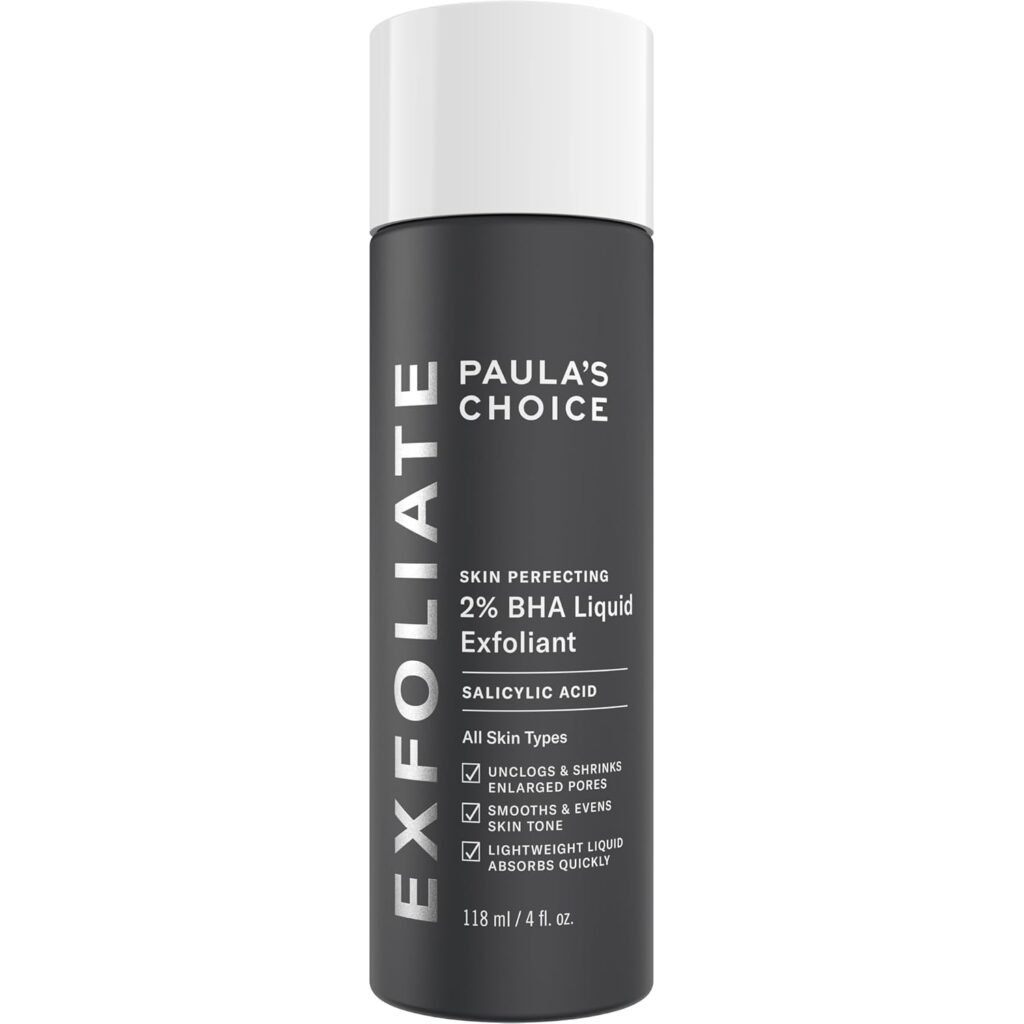
Paula’s Choice Skin Perfecting 2% BHA Liquid Exfoliant with Salicylic Acid
Cleansers
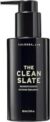
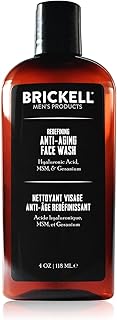
Toners
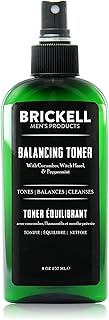
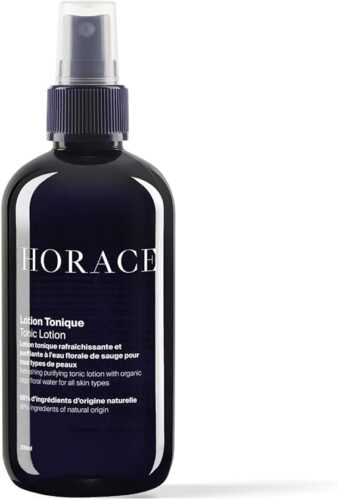
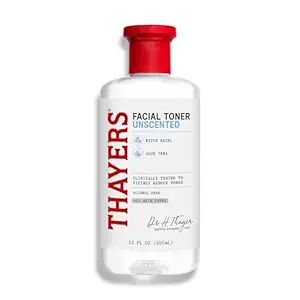
Serums
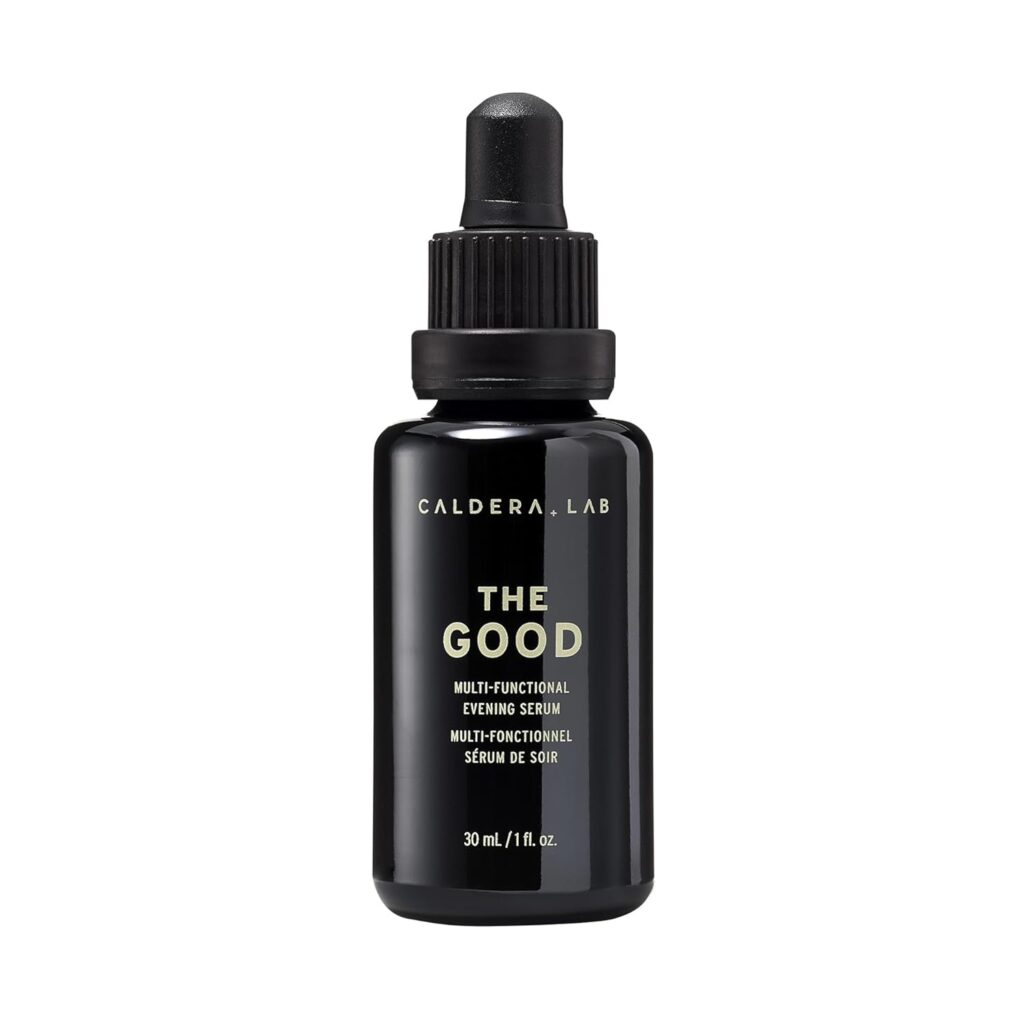
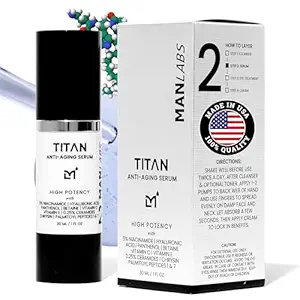
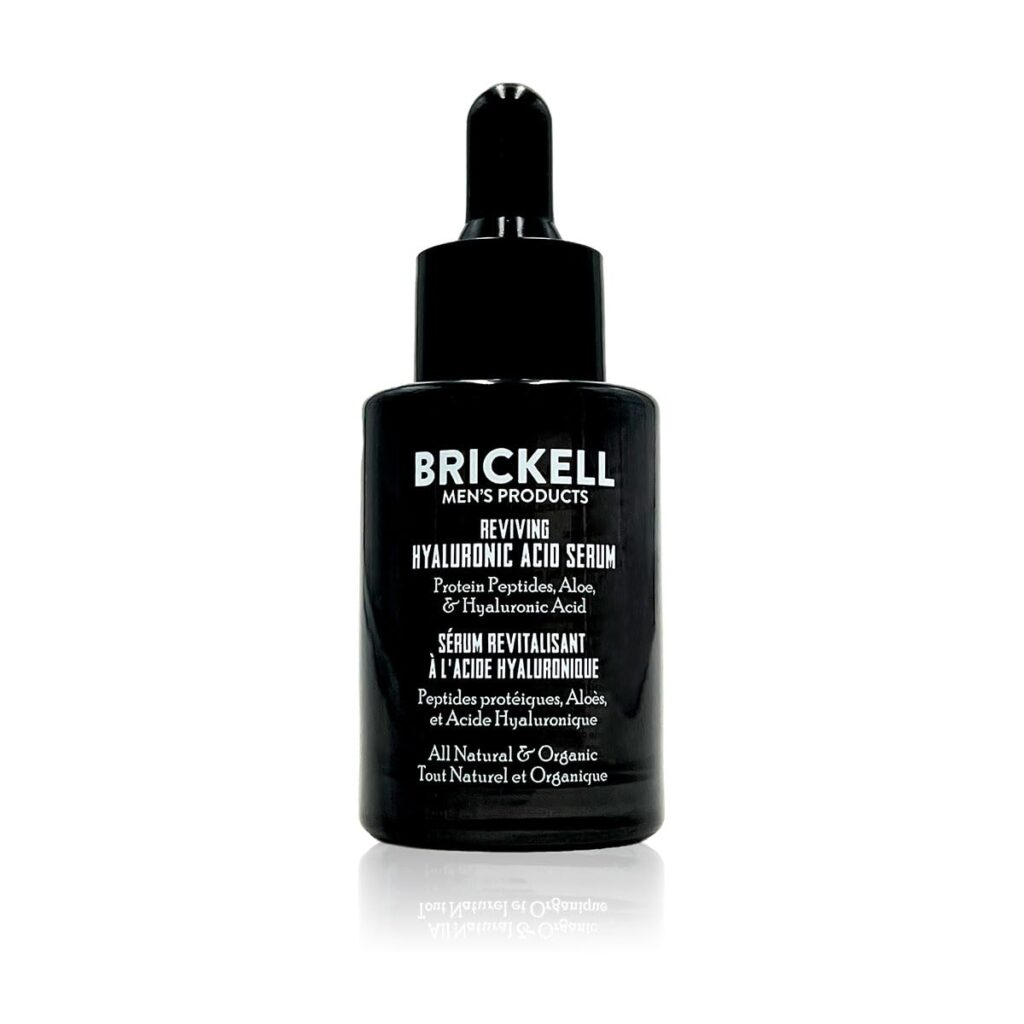
Moisturizers
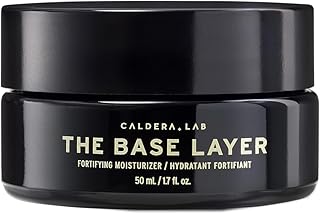
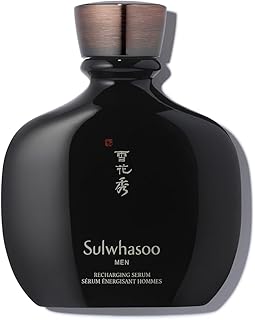
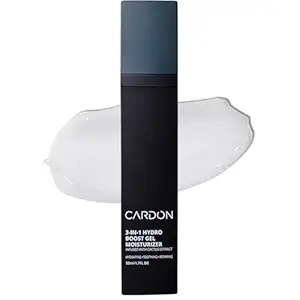
When incorporating chemical exfoliants into your routine, start slowly to avoid over-exfoliation. Use them 2-3 times a week initially, and gradually increase frequency as your skin adjusts.
- Light Therapy: Harnessing the Importance of Blue Light
Blue light therapy has shown promising results in managing acne by targeting the P. Acnes bacteria and reducing sebum production.
This non-invasive treatment can be done at home or in a dermatologist’s office.
Blue light works by:
Activating porphyrins within P.
Acnes bacteria
Creating singlet oxygen that destroys the bacteria
Reducing inflammation in the skin


At-home blue light devices are becoming increasingly popular, but it’s essential to follow the manufacturer’s instructions carefully. Professional treatments may offer more powerful results but can be more expensive.
- Hormonal Modulation: A Targeted Approach
For men with severe, persistent acne that doesn’t respond to other treatments, hormonal therapies may be considered. These approaches aim to modulate androgen levels or sensitivity, thereby influencing sebum production.
Some hormonal treatments for male acne include:
Oral spironolactone (off-label use)
Low-dose oral isotretinoin
Topical anti-androgens
These treatments should only be used under the close supervision of a dermatologist or endocrinologist, as they can have significant side effects and require careful monitoring.
Implementing a Comprehensive Acne Management Plan
Assess Your Current Situation
Keep a skin diary to track breakouts, products used, and potential triggers. This information can be invaluable in identifying patterns and refining your skincare approach.
In your skin diary, note:
Date and location of breakouts
Products used (including any new additions)
Diet and stress levels
Sleep patterns
Environmental factors (humidity, pollution, etc.)
Cleanse Wisely
Use a gentle, pH-balanced cleanser twice daily. Harsh soaps can strip the skin and trigger increased sebum production.
Look for cleansers containing:
Salicylic acid (for oily, acne-prone skin)
Glycerin (for hydration)
Ceramides (to support the skin barrier)
Avoid cleansers with:
Sodium lauryl sulfate (SLS)
Alcohol
Artificial fragrances
Incorporate Active Ingredients
Gradually introduce retinoids, salicylic acid, or benzoyl peroxide into your routine. Start with one active ingredient and give it time to work before adding others.
A sample routine might look like this:
Morning:
Gentle cleanser
Salicylic acid toner
Niacinamide serum
Oil-free moisturizer
Broad-spectrum sunscreen
Evening:
Gentle cleanser
Retinoid (start with 2-3 times per week)
Moisturizer
Moisturize Strategically
Choose non-comedogenic, oil-free moisturizers to maintain skin hydration without clogging pores. Look for ingredients like hyaluronic acid, glycerin, and ceramides, which hydrate without adding excess oil.
Consider Professional Treatments
Chemical peels or light therapy sessions can complement your at-home routine. These treatments can provide a more intensive approach to managing sebum production and acne.
Professional treatments to consider:
Salicylic acid peels
Glycolic acid peels
LED light therapy
Microdermabrasion (for non-inflamed acne)
Address Lifestyle Factors
Manage stress, maintain a balanced diet, and ensure adequate sleep to support overall skin health. While these factors may not directly cause acne, they can exacerbate existing conditions.
Stress management techniques:
Meditation
Regular exercise
Deep breathing exercises
Journaling
Dietary considerations:
Limit high-glycemic foods
Increase intake of omega-3 fatty acids
Stay hydrated
Consider probiotics for gut health
Common Issues and How to Avoid Them
Over-cleansing
Washing your face more than twice a day can strip the skin and trigger increased sebum production. Stick to morning and night cleansing, and use a gentle, non-foaming cleanser if you need to refresh your skin after workouts or during hot weather.
Ignoring Moisturizer
Even oily skin needs hydration. Skipping moisturizer can lead to dehydrated skin, which may produce more oil to compensate.
Choose a lightweight, oil-free moisturizer and apply it consistently.
Picking or Squeezing
This can introduce more bacteria and lead to scarring. Resist the urge and focus on consistent treatment instead.
If you’re struggling with the urge to pick, try:
Applying a spot treatment
Using hydrocolloid patches
Keeping your hands occupied with stress balls or fidget toys
Expecting Overnight Results
Acne treatments typically take 6-8 weeks to show significant improvement. Patience and consistency are key.
Keep a photo diary to track your progress, as day-to-day changes can be hard to notice.
Adapting Your Approach
Every man’s skin is unique, and what works for you may not work for another. Be prepared to adjust your routine based on your skin’s response.
For example, if you’re prone to irritation, you might need to use retinoids less often or opt for gentler formulations.
Consider factors like climate, occupation, and lifestyle when tailoring your skincare routine. Men who work in humid environments or are exposed to oils and chemicals may need to cleanse more often or use oil-absorbing products throughout the day.
Building on the Basics
Understanding the role of sebum in acne is just the beginning. As you master the basics of skincare and acne management, you’ll be better equipped to explore more advanced treatments and techniques.
This might include:
Incorporating antioxidants to combat sebum oxidation
Exploring the potential of probiotics for skin health
Investigating emerging technologies like photodynamic therapy
Practical Exercises to Reinforce Learning
Skin Type Assessment
Conduct a thorough analysis of your skin type and current sebum production levels. Use blotting papers throughout the day to gauge oil production in different areas of your face.
This will help you understand your skin’s unique needs and tailor your routine accordingly.
Product Ingredient Analysis
Review the ingredients in your current skincare products. Identify potential pore-clogging ingredients and research choices.
Some common comedogenic ingredients to watch out for include:
Coconut oil
Lanolin
Mineral oil
Petrolatum
Isopropyl myristate
Patch Testing
Before introducing new products, conduct patch tests to assess your skin’s reaction. This is especially important for active ingredients like retinoids or acids.
To patch test:
Apply a small amount of product behind your ear or on your inner forearm
Wait 24-48 hours
Check for any signs of irritation, redness, or allergic reaction
Stress-Sebum Connection
Keep a log of your stress levels and acne flare-ups for a month. Look for patterns and brainstorm stress-management techniques to apply.
You might notice that certain stressors consistently trigger breakouts, allowing you to take proactive measures.
Advanced Sebum Management Techniques
- Oil Cleansing Method
While it may seem counterintuitive, the oil cleansing method can be effective for some men with oily, acne-prone skin. This technique involves using oils to dissolve excess sebum and unclog pores.
How to oil cleanse:
Choose a non-comedogenic oil (e.g., jojoba, hemp seed, or grapeseed oil)
Massage the oil into dry skin for 1-2 minutes
Use a warm, damp cloth to gently remove the oil
Follow with your regular cleanser if needed
- Clay Masks
Clay masks can help absorb excess oil and draw out impurities from the skin. Different types of clay offer various benefits:
Bentonite clay: Highly absorbent, good for oily skin
Kaolin clay: Gentle, suitable for sensitive skin
French green clay: Rich in minerals, helps with circulation
Use a clay mask 1-2 times per week, being careful not to over-dry your skin.
- Niacinamide
Niacinamide (Vitamin B3) has been shown to regulate sebum production and improve overall skin texture. Look for serums or moisturizers containing 2-5% niacinamide for optimal results. - Zinc Supplementation
Some studies suggest that oral zinc supplementation may help reduce acne by regulating sebum production and reducing inflammation. Consult with a healthcare provider before starting any new supplements. - Green Tea Extract
Topical green tea extract has shown promise in reducing sebum production and acne lesions. Look for products containing green tea extract or consider applying cooled green tea as a toner.
The Role of Diet in Sebum Production
While the link between diet and acne is still debated, some evidence suggests that certain dietary factors may influence sebum production and acne severity.
Low Glycemic Index Diet
Foods with a high glycemic index can cause rapid spikes in blood sugar, potentially leading to increased sebum production. Opting for low glycemic index foods may help regulate sebum levels.
Low GI foods to include:
Whole grains
Legumes
Most fruits and vegetables
Lean proteins
Omega-3 Fatty Acids
Omega-3 fatty acids have anti-inflammatory properties that may help reduce acne severity. Include sources of omega-3s in your diet, such as:
Fatty fish (salmon, mackerel, sardines)
Chia seeds
Flaxseeds
Walnuts
Dairy Consumption
Some studies have found a correlation between dairy intake and acne severity. If you suspect dairy might be exacerbating your acne, consider reducing your intake and observing any changes in your skin.
The Importance of Consistency
Managing adult male acne needs dedication and patience. Consistency in your skincare routine is crucial for seeing long-term improvements.
Here are some tips to help you stay on track:
Set reminders on your phone for your morning and evening routines
Keep your skincare products visible and easily accessible
Track your progress with photos to stay motivated
Reward yourself for sticking to your routine for set periods (e.g., one month)
When to Seek Professional Help
While many cases of adult male acne can be managed with over-the-counter treatments and lifestyle changes, there are times when professional help is necessary. Consider consulting a dermatologist if:
Your acne is severe or cystic
Over-the-counter treatments aren’t effective after 8-12 weeks of consistent use
You’re developing scars from your acne
Your acne is significantly impacting your self-esteem or quality of life
A dermatologist can provide personalized treatment plans, including prescription medications and in-office procedures that may be more effective for stubborn cases of acne.
The Psychological Impact of Adult Male Acne
It’s important to thank the emotional toll that adult acne can take. Many men experience:
Decreased self-confidence
Social anxiety
Depression
Frustration and anger
If you’re struggling with the emotional impact of acne, consider:
Joining support groups or online forums for adult acne sufferers
Practicing self-compassion and positive self-talk
Seeking therapy or counseling if needed
Focusing on other aspects of your appearance and personality that you feel confident about
Your worth is not determined by your skin. While managing acne is important for your health and well-being, it doesn’t define you as a person.
Future Directions in Acne Research
The field of acne research is constantly evolving, with new treatments and understanding emerging regularly. Some exciting areas of research include:
The role of the skin microbiome in acne development
Targeted therapies that address specific aspects of sebum production
Novel delivery systems for acne medications
The potential of personalized medicine in acne treatment
Staying informed about these developments can help you make educated decisions about your acne management strategy as new options become available.
Key Takeaways
Sebum overproduction is a primary factor in adult male acne
Retinoids, chemical exfoliants, and light therapy are effective advanced treatments
A comprehensive approach including skincare, lifestyle factors, and professional treatments yields the best results
Consistency and patience are crucial for long-term acne management
Continual learning and adaptation are key to mastering your skin health
People Also Asked
What causes acne in adult men?
Adult male acne is primarily caused by excess sebum production, hormonal fluctuations, stress, and genetics. Factors like diet, skincare habits, and environmental conditions can also contribute to breakouts.
How can I reduce sebum production naturally?
Natural methods to reduce sebum production include maintaining a consistent skincare routine, using oil-free products, incorporating clay masks, and considering dietary changes like reducing dairy and high-glycemic foods.
Are retinoids safe for long-term use?
Retinoids are generally considered safe for long-term use when used as directed. However, it’s important to start with a low concentration and gradually increase usage to minimize irritation. Always use sunscreen during the day when using retinoids.
Can stress cause acne in men?
Yes, stress can exacerbate acne in men by triggering hormonal changes that increase sebum production and inflammation. Stress management techniques like meditation and exercise can help mitigate this effect.
How long does it take to see results from acne treatment?
Most acne treatments take 6-8 weeks to show significant improvement. Consistency is key, and it’s important to stick with a treatment plan for at least this long before evaluating its effectiveness.
Is it normal for men to have acne in their 30s?
While acne is often associated with adolescence, it’s not uncommon for men to experience acne in their 30s and beyond. Adult male acne is a recognized condition that can be effectively managed with proper treatment.
Can diet affect male acne?
Some studies suggest that diet can influence acne severity. High-glycemic foods and dairy products have been associated with increased acne in some people.
A balanced diet rich in fruits, vegetables, and lean proteins may help support skin health.
Are there any supplements that help with acne?
Some supplements that may help with acne include zinc, omega-3 fatty acids, and probiotics. However, it’s important to talk to a healthcare provider before starting any new supplement regimen.
How often should men with acne wash their face?
Men with acne should generally wash their face twice daily – once in the morning and once at night. Over-washing can strip the skin of natural oils and potentially worsen acne.
Can shaving make acne worse for men?
Improper shaving techniques or using dull razors can irritate the skin and exacerbate acne. Using a sharp razor, shaving in the direction of hair growth, and applying a non-comedogenic aftershave can help minimize irritation.